
Home / Best Headphones
Best Headphones
Shop the best headphones of 2026 — over-ear, on-ear, and open-back options tested by the Soundmali audio team. Every recommendation is based on real listening tests.How to Choose Headphones in...
Filters
Sort Featured
-
Apple AirPods Pro 2nd Generation USB-C — ANC Wireless Earbuds | MagSafe Apple AirPods Pro 2nd Generation USB-C — ANC Wireless Earbuds | MagSafe
-
Samsung Galaxy Buds3 Pro — ANC True Wireless Earbuds | IPX7 | Galaxy AI Samsung Galaxy Buds3 Pro — ANC True Wireless Earbuds | IPX7 | Galaxy AI
-
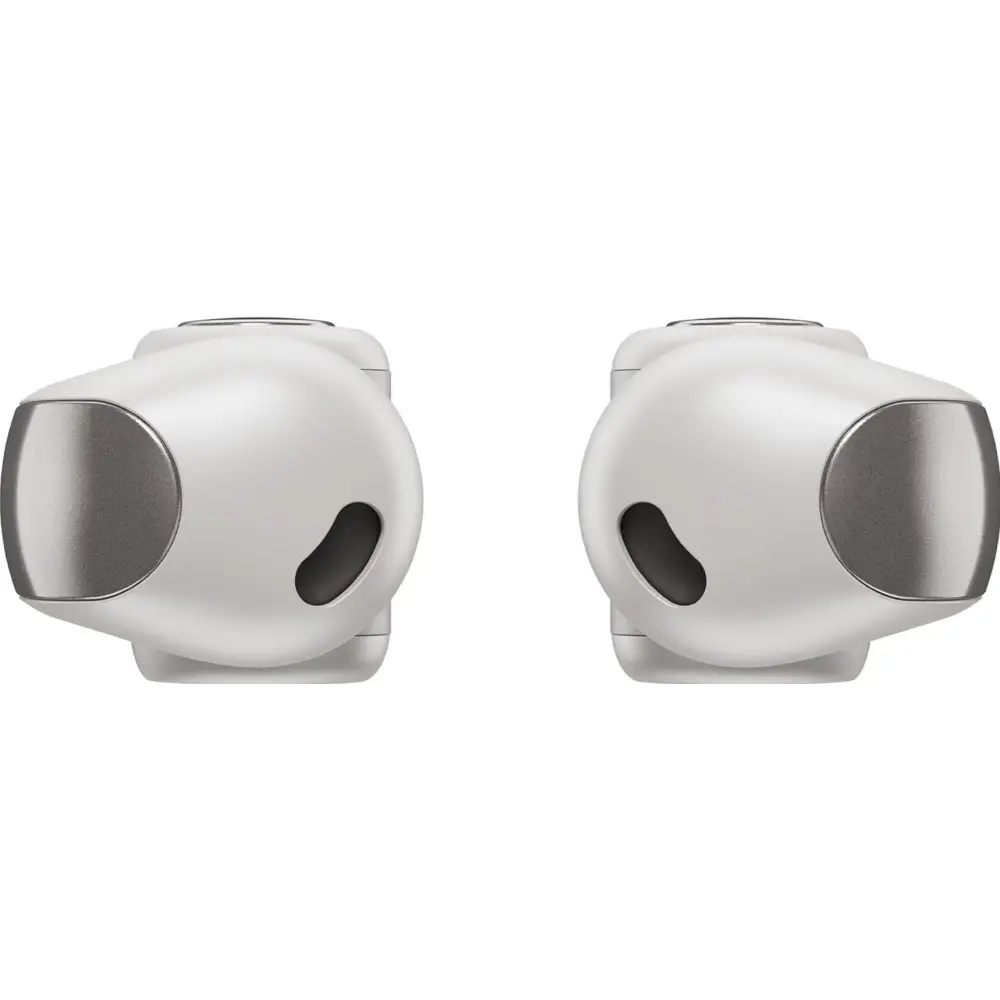
Samsung Galaxy Buds Live — Open-Type Wireless Earbuds | ANC Bean Design Samsung Galaxy Buds Live — Open-Type Wireless Earbuds | ANC Bean Design
-
Samsung Galaxy Buds+ — True Wireless Earbuds, 11H Battery, 3-Mic Call Quality Samsung Galaxy Buds+ — True Wireless Earbuds, 11H Battery, 3-Mic Call Quality
-
Samsung Galaxy Buds 2 Pro — ANC True Wireless Earbuds, Hi-Fi 24-bit, IPX7 Samsung Galaxy Buds 2 Pro — ANC True Wireless Earbuds, Hi-Fi 24-bit, IPX7
-
Samsung Galaxy Buds FE — ANC True Wireless Earbuds | 29dB Noise Cancelling Samsung Galaxy Buds FE — ANC True Wireless Earbuds | 29dB Noise Cancelling
-
Samsung Galaxy Buds Series — True Wireless Earbuds, Multiple Models Available Samsung Galaxy Buds Series — True Wireless Earbuds, Multiple Models Available
-
Samsung Galaxy Buds2 — ANC True Wireless Earbuds, Lightweight 5g, 20H Battery Samsung Galaxy Buds2 — ANC True Wireless Earbuds, Lightweight 5g, 20H Battery
-
Bose Ultra Headphones — Over-Ear ANC, Immersive Audio, 24H Battery Bose Ultra Headphones — Over-Ear ANC, Immersive Audio, 24H Battery
-
Beats Studio Buds — ANC True Wireless Earbuds, iOS & Android, Red Beats Studio Buds — ANC True Wireless Earbuds, iOS & Android, Red
-
Beats by Dre Solo Pro — ANC On-Ear Wireless Headphones, Transparency Mode Beats by Dre Solo Pro — ANC On-Ear Wireless Headphones, Transparency Mode
-
Beats Solo 4 Wireless On-Ear Headphones — 50H Battery | USB-C Beats Solo 4 Wireless On-Ear Headphones — 50H Battery | USB-C
-
KZ TRN MT1 — Single Dynamic Driver IEM, Budget Hi-Fi In-Ear Monitor -
KZ ZAR — 1DD+7BA Hybrid IEM, Hi-Fi In-Ear Monitor, Detachable Cable KZ ZAR — 1DD+7BA Hybrid IEM, Hi-Fi In-Ear Monitor, Detachable Cable
-
KZ ZST X — 1BA+1DD Hybrid IEM, Hi-Fi In-Ear Monitor, Detachable Cable -
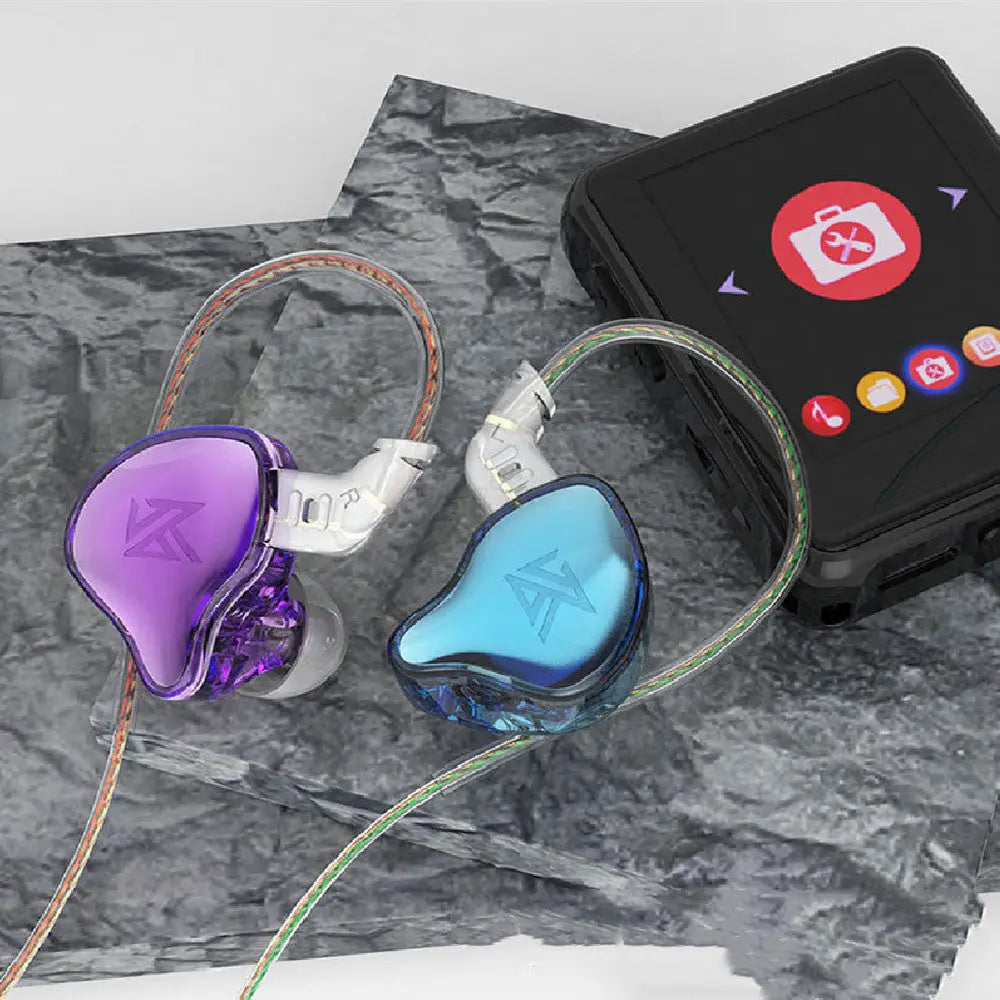
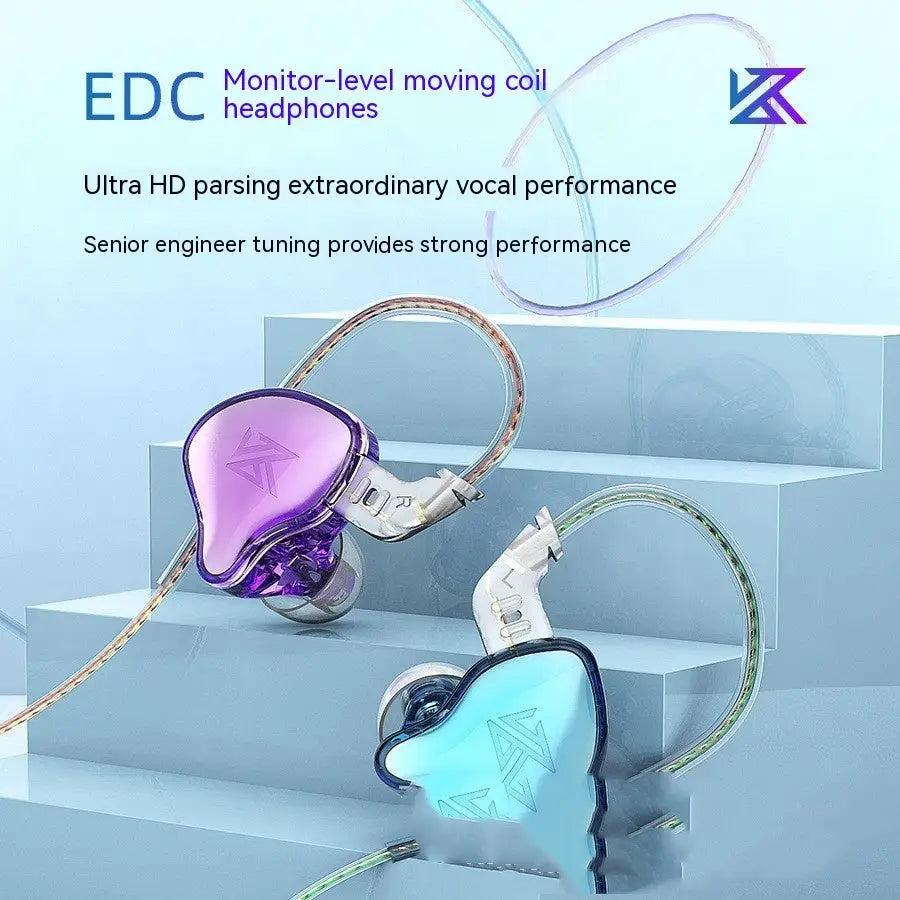
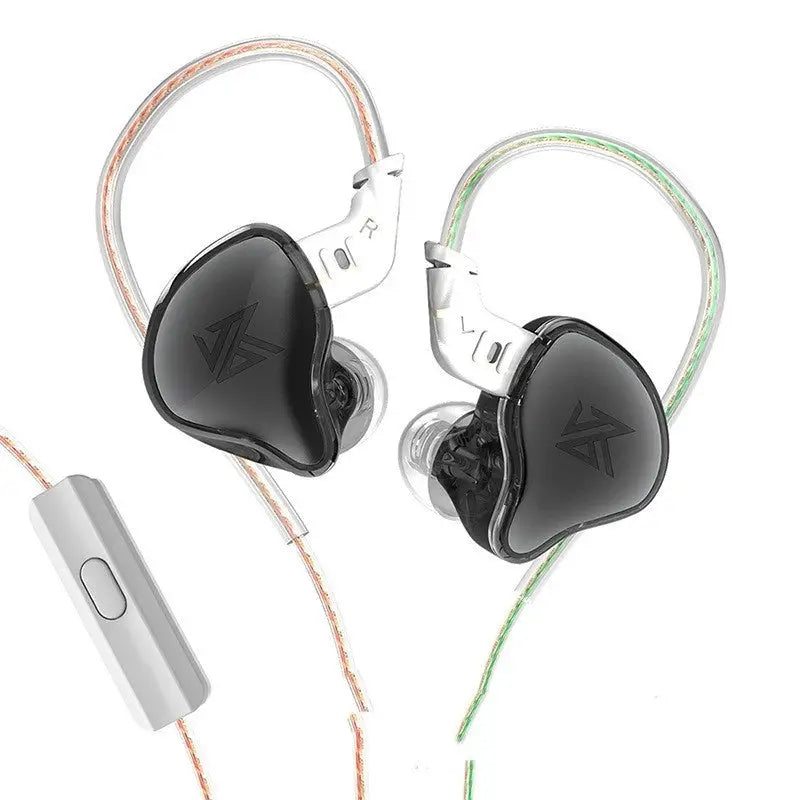
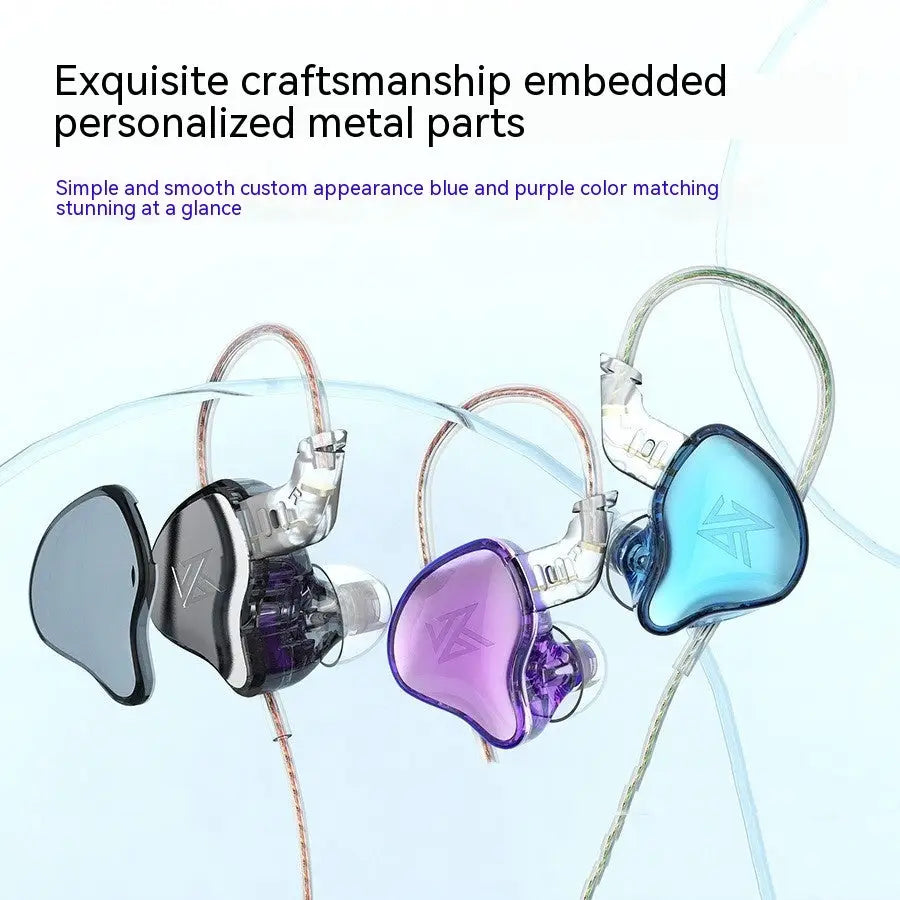
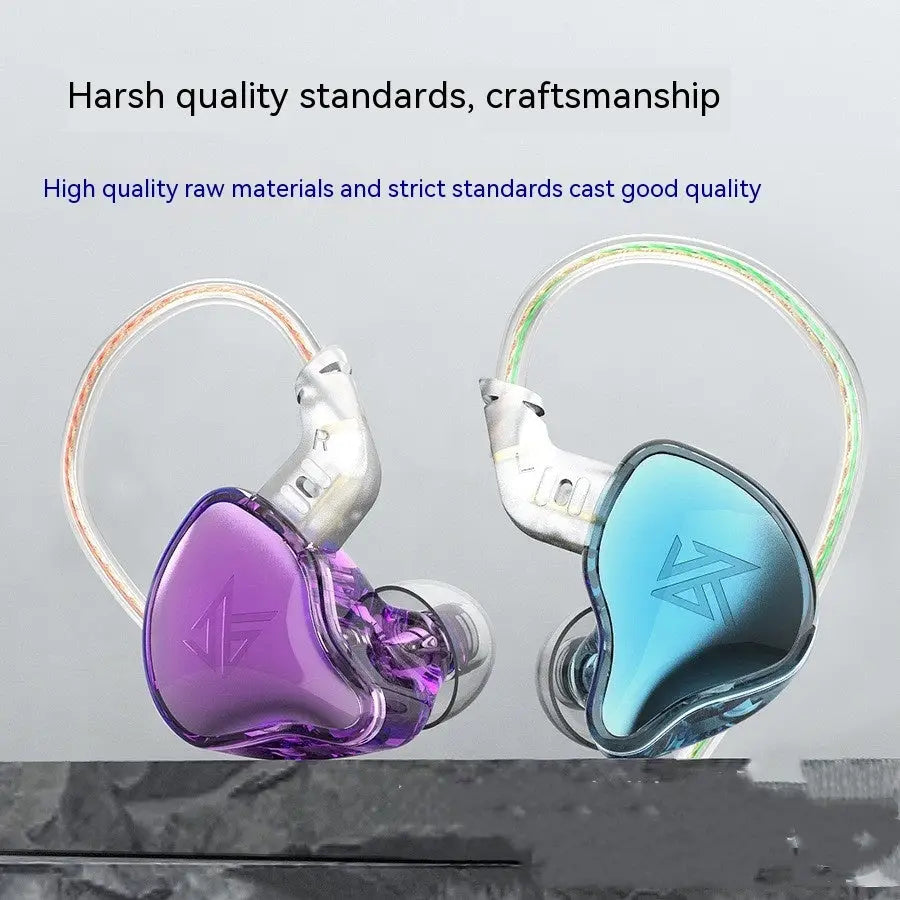
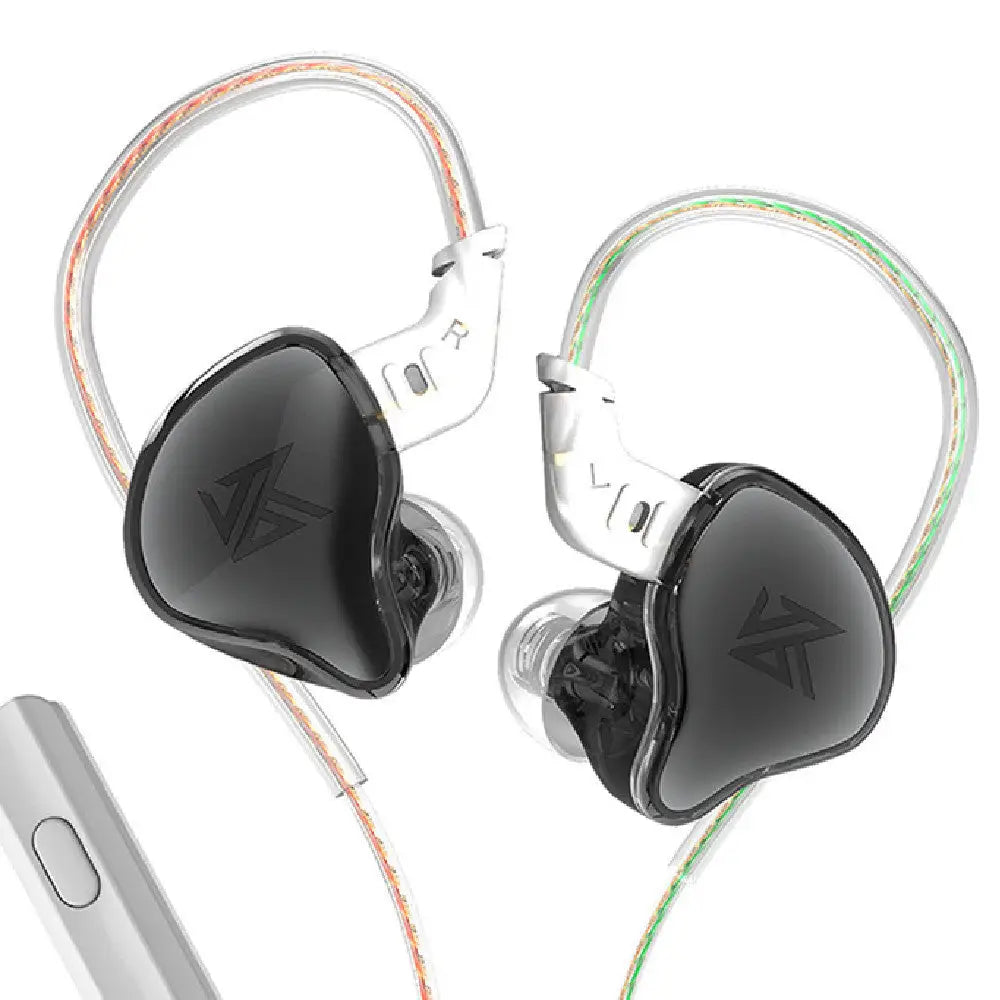
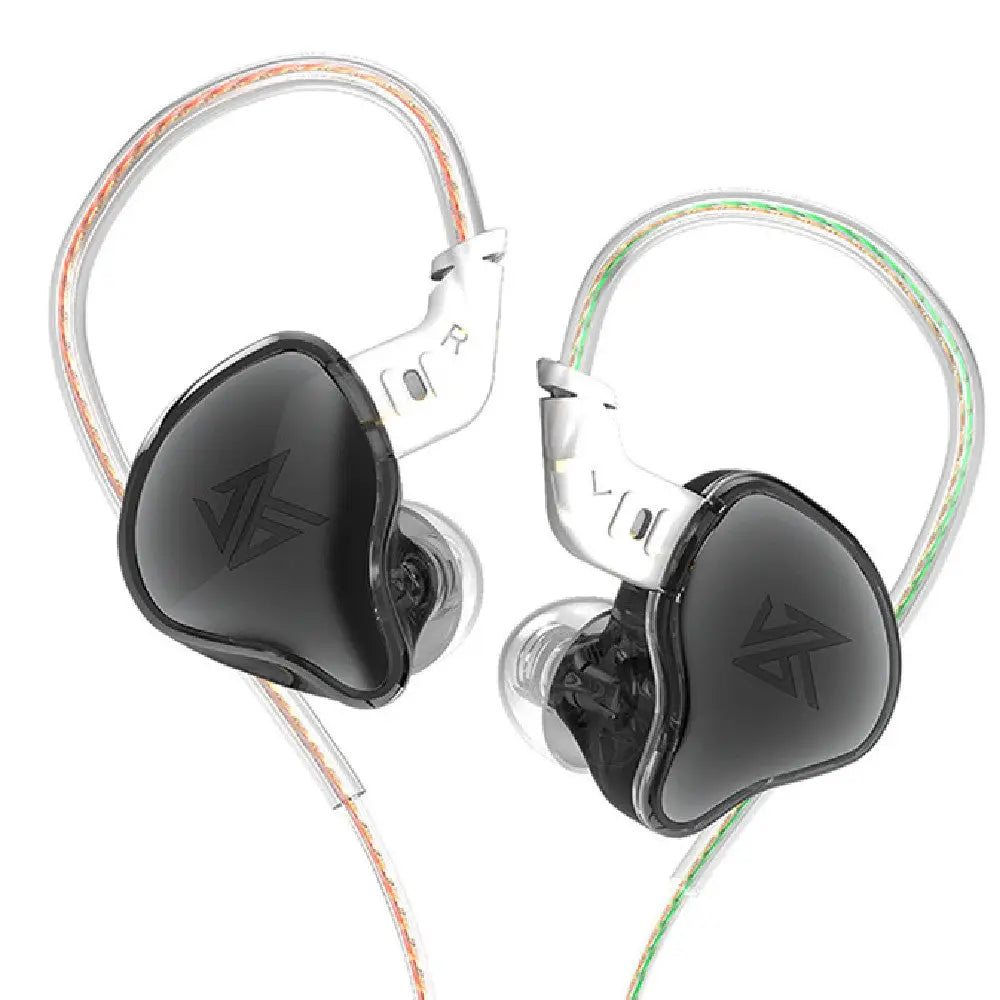
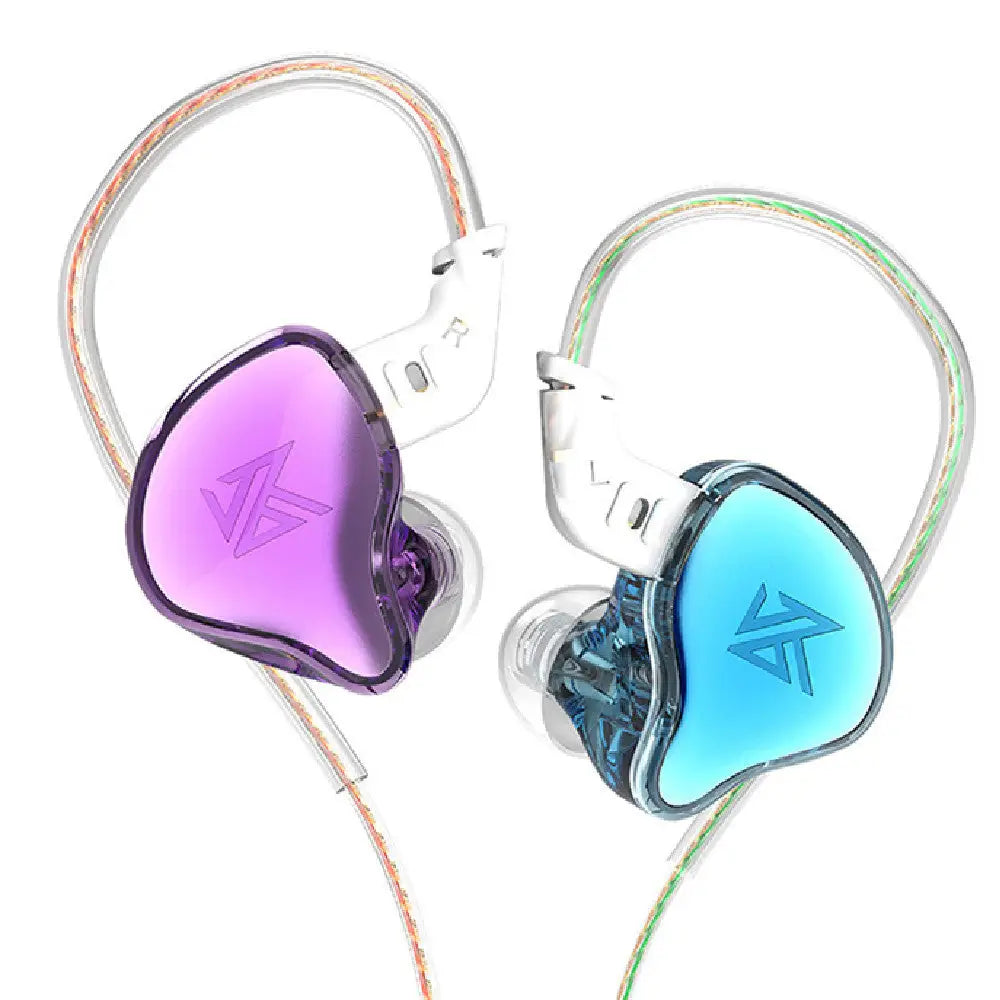
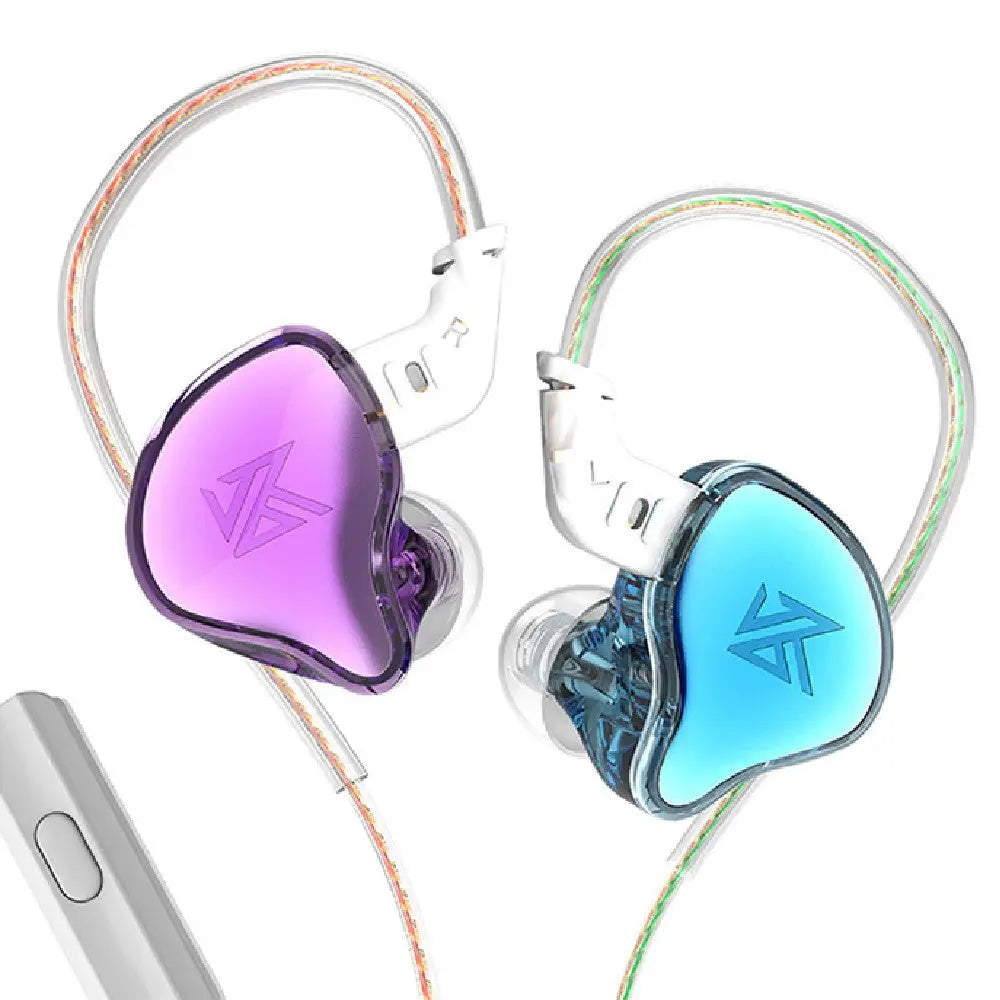
KZ EDC — Dynamic Driver In-Ear Headphones, Wired, Budget Audiophile KZ EDC — Dynamic Driver In-Ear Headphones, Wired, Budget Audiophile
-
KZ DQ6 — Triple Dynamic Driver IEM, Hi-Fi In-Ear Monitor -
KZ AS16 Pro AA — 16-Driver Balanced Armature IEM, Hi-Fi Audiophile Earphones KZ AS16 Pro AA — 16-Driver Balanced Armature IEM, Hi-Fi Audiophile Earphones
-
JBL Live Pro+ TWS — Adaptive ANC True Wireless Earbuds | 28h Battery JBL Live Pro+ TWS — Adaptive ANC True Wireless Earbuds | 28h Battery
-
Bose Sport Earbuds — True Wireless Workout Earbuds, StayHear Tips, IPX4 Bose Sport Earbuds — True Wireless Workout Earbuds, StayHear Tips, IPX4
-
Bose Noise Cancelling Headphones 700 — Over-Ear ANC, 11-Level NC, 20H Battery Bose Noise Cancelling Headphones 700 — Over-Ear ANC, 11-Level NC, 20H Battery
-
Mystery Headphones Box — Surprise Bluetooth Wireless Earbuds Mystery Headphones Box — Surprise Bluetooth Wireless Earbuds
-
Sennheiser Momentum 4 Wireless — Over-Ear ANC Headphones, 60H Battery, aptX Adaptive Sennheiser Momentum 4 Wireless — Over-Ear ANC Headphones, 60H Battery, aptX Adaptive
-
Sony WH-1000XM5 Wireless Noise Canceling Headphones Sony WH-1000XM5 Wireless Noise Canceling Headphones







Shop the best headphones of 2026 — over-ear, on-ear, and open-back options tested by the Soundmali audio team. Every recommendation is based on real listening tests.
How to Choose Headphones in 2026
2026 is the best year yet for over-ear headphones. Sony, Bose, and Apple all launched significant upgrades. Here is how to decide:
- ANC headphones for commuting or office use — Sony WH-1000XM6 leads ANC performance. Bose QC Ultra delivers the most comfortable long-session wear. AirPods Max is ideal for Apple ecosystem users.
- Studio or monitoring headphones — Sennheiser HD 600 and 650 series remain the gold standard for flat, accurate response.
- Gaming headsets — Razer and SteelSeries dominate. Prioritize low latency and mic clarity over bass boost.
- Budget headphones — Under $100: Sony WH-CH720N. Under $50: Anker Soundcore Q20i. Both offer decent ANC at a fraction of flagship cost.
Frequently Asked Questions
What are the best headphones in 2026?
The best headphones in 2026 are the Sony WH-1000XM6 (best ANC plus sound quality), Bose QuietComfort Ultra (most comfortable, excellent ANC), and Apple AirPods Max (best for iPhone and Mac ecosystem). For studio use, the Sennheiser Momentum 4 Wireless delivers audiophile sound with 60-hour battery life.
Are $300+ headphones worth buying?
Yes, if you use headphones 2+ hours daily. Flagship headphones above $300 offer noticeably better ANC, 40 to 60 hour battery, premium materials, and hi-res audio codecs (LDAC, aptX Lossless). The Sony WH-1000XM6 and Bose QC Ultra are the benchmarks for justifying the price.
Wireless or wired headphones — which is better?
For commuting and casual listening, wireless wins on convenience. For studio recording, mixing, or gaming where latency matters, wired wins on signal quality. Most 2026 flagship headphones support both — wireless for daily use and wired via 3.5mm or USB-C for critical listening.
How long do wireless headphones last on a charge?
2026 flagship wireless headphones: Sennheiser Momentum 4 (60 hours), Sony WH-1000XM6 (40 hours with ANC on), Bose QC Ultra (24 hours with ANC on). Most flagships offer a 10-minute quick charge for 3 to 5 hours of playback if you forget to charge overnight.