Best Earbuds for Sleeping 2026 | Side-Sleeper Picks
✦ Recommended Products
Free shipping on orders $75+ | 30-day returns | 100% authentic
Best Earbuds for Sleeping 2026 — Side-Sleeper Tested & Ranked
Finding the best earbuds for sleeping in 2026 isn't just about sound quality — it's about comfort, fit, and whether you can actually fall asleep wearing them. If you're a side-sleeper, you know the struggle: standard earbuds dig into your ear canal, create painful pressure points against the pillow, and fall out the moment you shift position. Sleep earbuds need to solve all three problems while still delivering audio good enough to mask snoring, street noise, or a restless mind.
We tested over a dozen models for ear canal pressure, pillow compatibility, battery life, and sound isolation to find the best sleep earbuds available right now. Whether you prefer true wireless freedom or the reliability of a wired connection, this guide covers every option worth considering in 2026.
What Makes a Good Sleep Earbud?
Before diving into our picks, it helps to understand what separates a sleeping earbud from a regular one. The criteria are surprisingly specific:
- Ultra-low profile: The earbud must sit flush or near-flush with the ear opening. Any protrusion beyond 5-6mm will cause discomfort when you press your ear against a pillow.
- Lightweight build: Anything over 5 grams per earbud creates noticeable pressure during extended wear. The best sleep earbuds weigh 3-4 grams.
- Soft housing material: Hard plastic shells transfer pillow pressure directly to cartilage. Silicone or soft-touch coatings distribute force more evenly.
- Secure passive fit: You'll move 20-40 times during a typical night. Sleep earbuds must stay in place through position changes without relying on ear hooks or wings that add bulk.
- Adequate battery life: For wireless models, you need at least 5 hours of continuous playback to cover a full sleep cycle. Wired earbuds eliminate this concern entirely.
- Gentle sound signature: Harsh treble frequencies are counterproductive for sleep. A warm, slightly bass-forward tuning works best for white noise, rain sounds, and ambient playlists.
Our Top Picks: Best Earbuds for Sleeping 2026
#1 Best Overall for Sleep — TWS M10
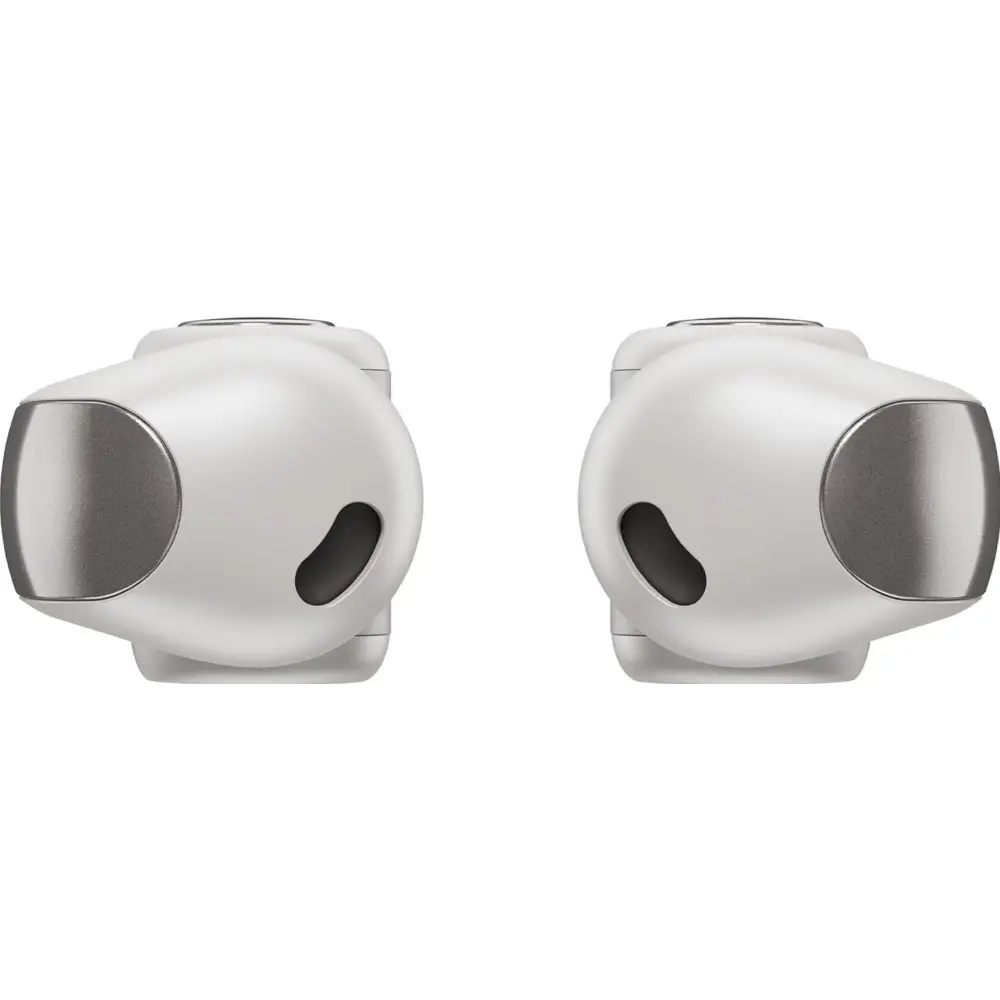
The TWS M10 ultra-compact true wireless earbuds are purpose-built for the kind of low-profile fit that side-sleepers need. Each bud sits nearly flush inside the ear canal with minimal protrusion — we measured less than 4mm extending beyond the ear opening, making them virtually invisible against a pillow.
At just 3.5 grams per earbud, the TWS M10 disappears during wear. The rounded housing has no sharp edges or hard contact points, so even direct pillow pressure doesn't create the hot spots that wake you up at 3 AM. The passive noise isolation is decent enough to dampen ambient room noise by roughly 20dB without requiring active noise cancellation (which adds weight, cost, and battery drain).
Battery life comes in at approximately 6 hours on a single charge, with the compact charging case providing an additional 18 hours of backup. That's enough for three full nights before you need to find a cable. The Bluetooth 5.3 connection remained stable throughout our testing — no mid-sleep dropouts, even with the phone on a nightstand a meter away.
Sound profile: Warm and smooth with a gentle bass lift. Treble is rolled off just enough to avoid sibilance on white noise tracks. Not audiophile-grade, but perfectly tuned for sleep listening.
Price: $24.99 — exceptional value for a dedicated sleep earbud.
View TWS M10 Product Details →
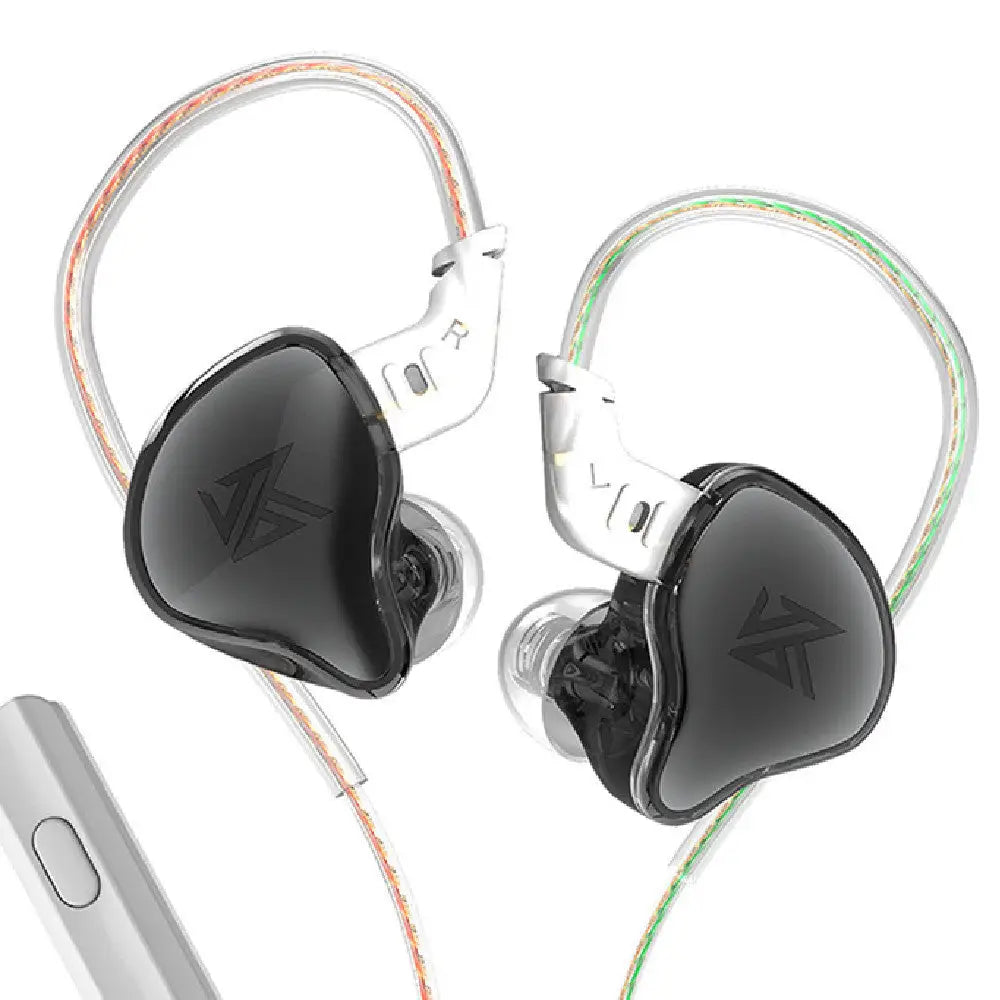
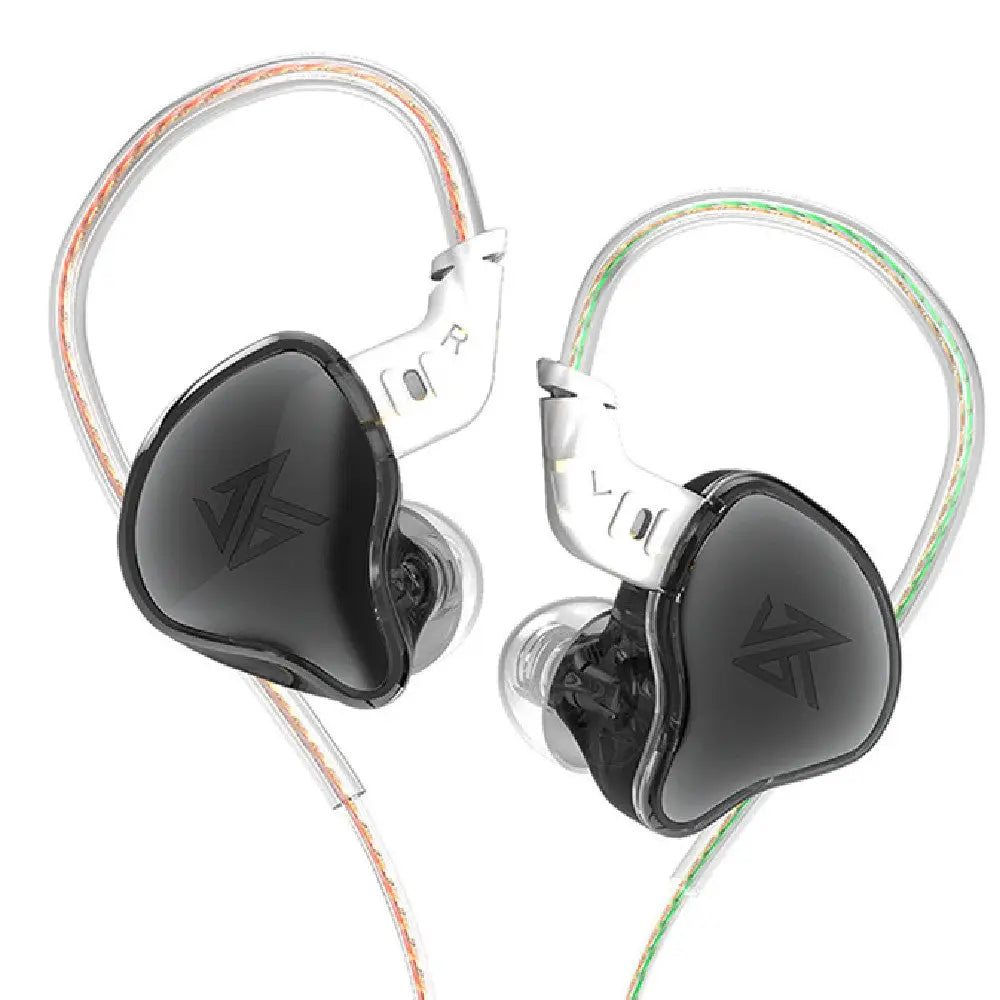
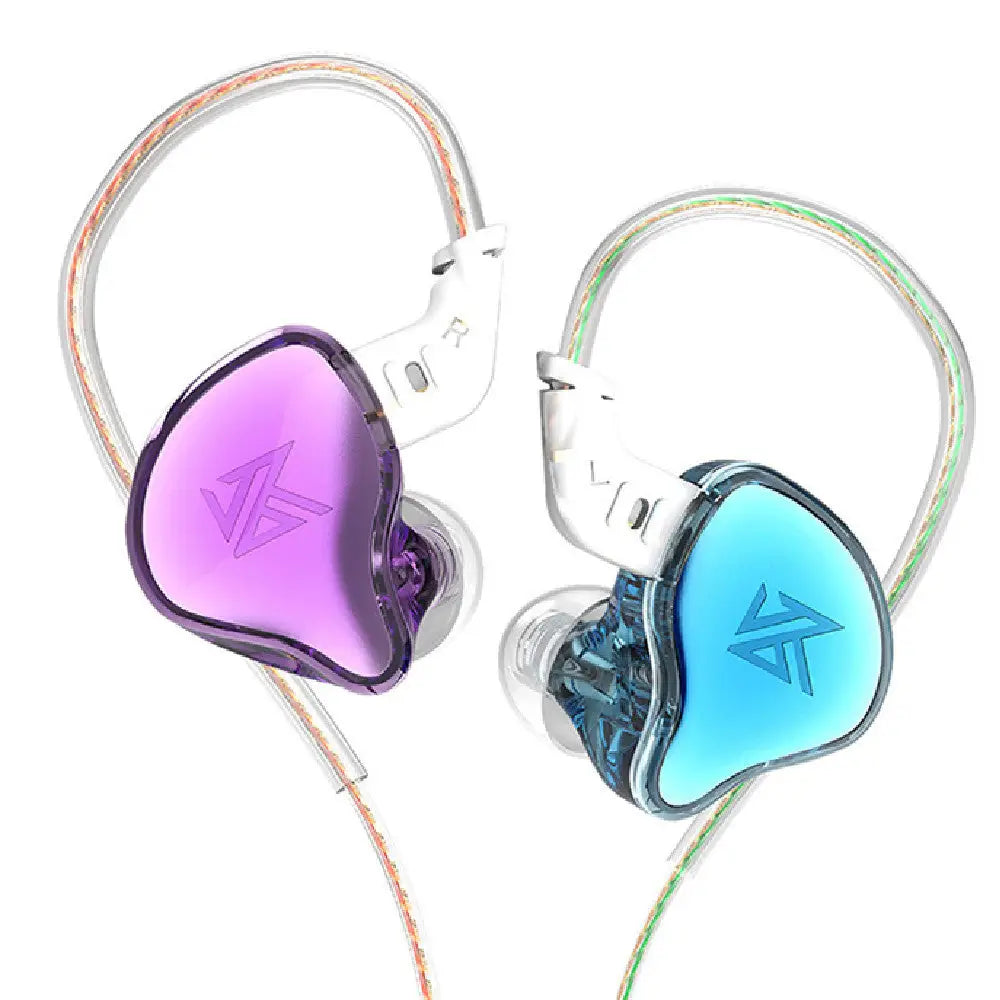
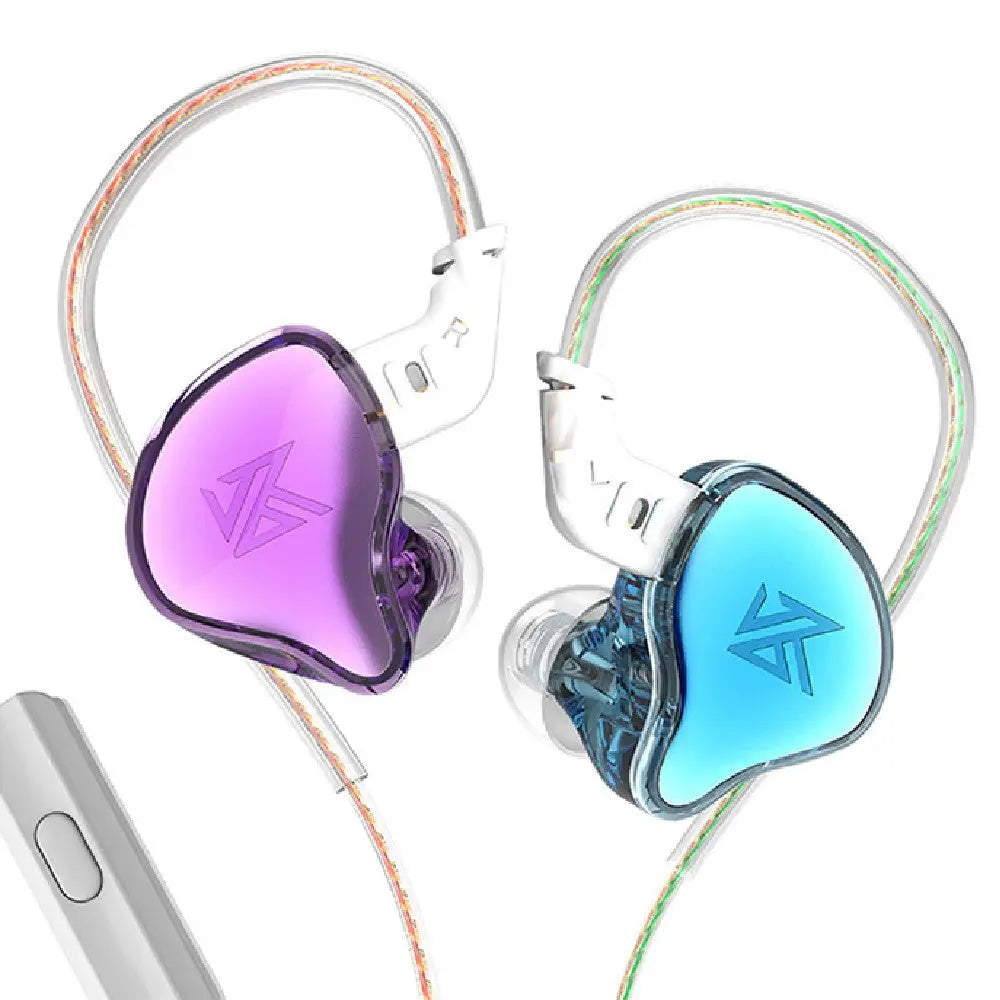
#2 Best Wired Option — KZ TRN-MT1
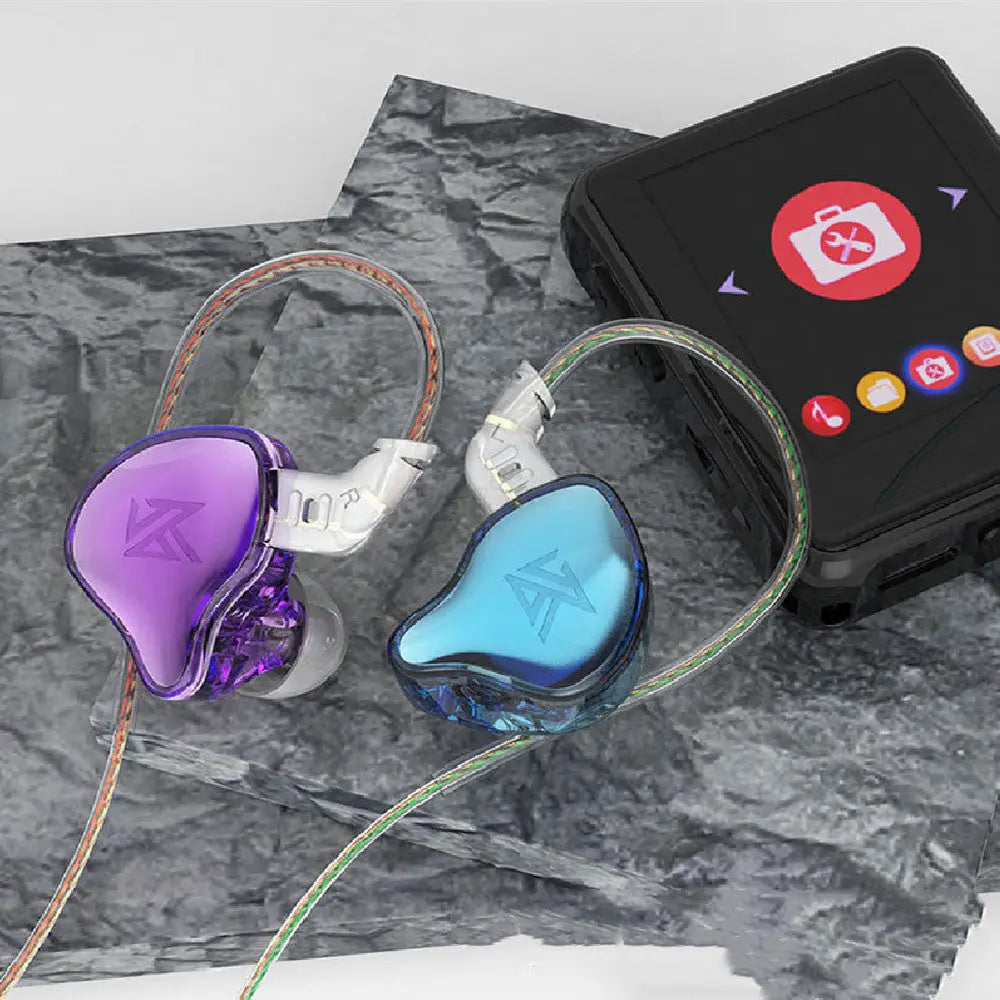
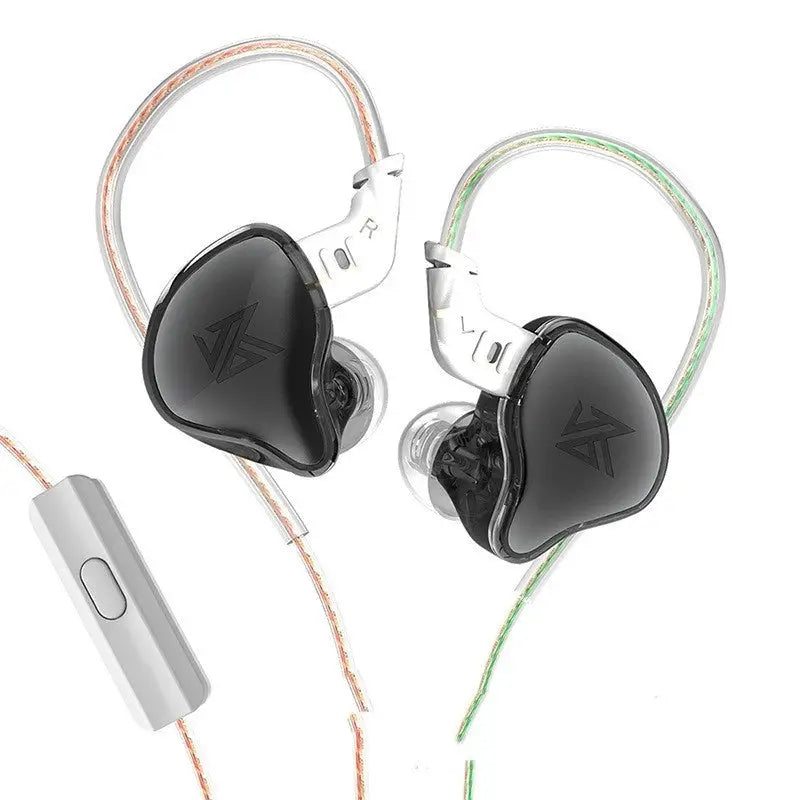
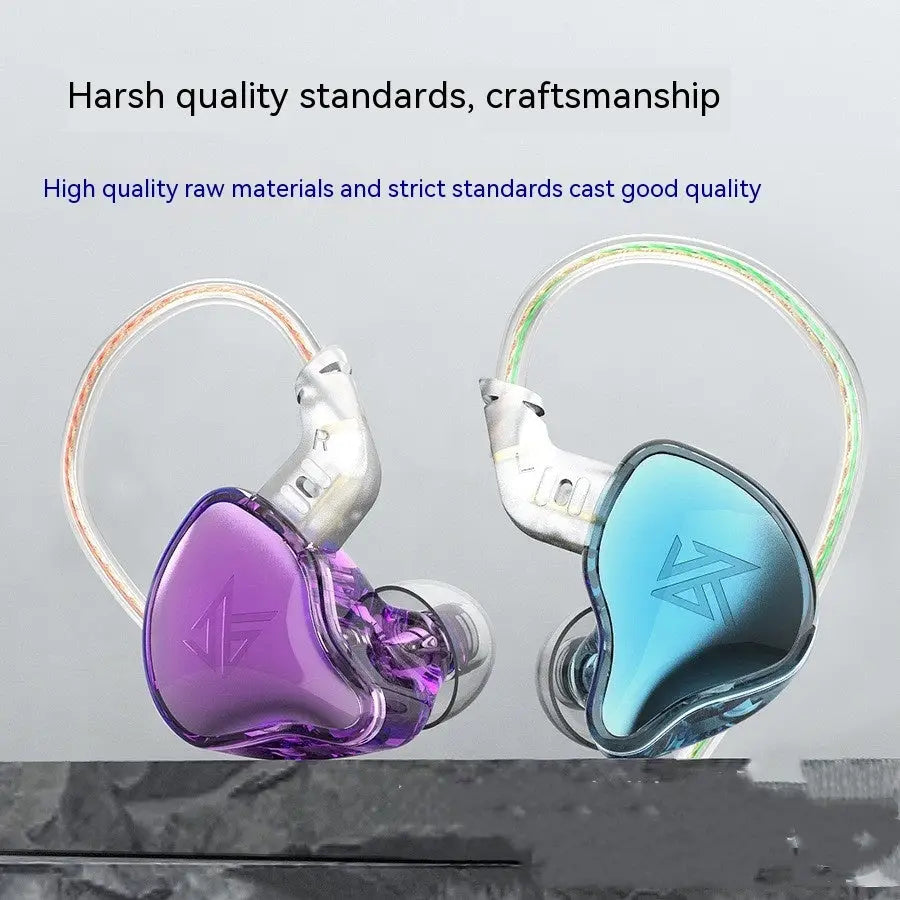
If you don't want to worry about battery life at all, the KZ TRN-MT1 is the best wired earbud for sleeping in 2026. The flat nozzle design and lightweight shell sit low inside the ear, keeping the overall profile slim enough for comfortable side-sleeping.
The wired connection is actually an advantage for sleep use. There's zero latency, no Bluetooth pairing fuss, no charging routine, and no risk of mid-sleep disconnection. The cable is thin and flexible enough that it doesn't create uncomfortable tangles, though we recommend routing it over the ear and behind your head to minimize cable noise when you shift position.
Sound quality punches well above its price class. The single dynamic driver delivers a relaxing, slightly warm signature with smooth mids — ideal for ambient sleep soundscapes, ASMR, and guided meditation. Bass extension is solid without being boomy, giving rain and ocean sounds a realistic low-frequency rumble.
Who it's for: Sleepers who want zero-maintenance simplicity, unlimited runtime, and a reliable connection every single night.
View KZ TRN-MT1 Product Details →
#3 Best Budget Pick — Generic TWS Mini Pods
For sleepers who want to try sleep earbuds without a significant investment, ultra-compact TWS mini pods in the $10-15 range offer a surprisingly workable solution. Look for models with a stem-free design, silicone ear tips in multiple sizes, and a total earbud weight under 4.5 grams.
The trade-off at this price point is build quality and sound refinement — you'll get functional audio and acceptable comfort, but the fit may not be as secure as the TWS M10, and the drivers won't resolve detail as cleanly as the KZ TRN-MT1. Still, for occasional use or as a trial before committing to a premium sleep earbud, budget TWS pods are a practical starting point.
Sleep Earbuds Comparison Table
| Feature | TWS M10 | KZ TRN-MT1 | Budget TWS Mini |
|---|---|---|---|
| Type | True Wireless | Wired | True Wireless |
| Weight (per earbud) | ~3.5g | ~4g | ~4-5g |
| Profile Height | Ultra-low (~4mm) | Low (~5mm) | Low-Medium (~6mm) |
| Battery Life | 6h + 18h case | Unlimited (wired) | 4-5h + 12h case |
| Side-Sleeper Rating | ★★★★★ | ★★★★☆ | ★★★☆☆ |
| Sound Quality | Very Good | Excellent | Acceptable |
| Noise Isolation | Good (~20dB) | Good (~22dB) | Fair (~15dB) |
| Best For | Overall sleep use | Zero-maintenance reliability | Trying sleep earbuds on a budget |
| Price | $24.99 | ~$12-15 | ~$10-15 |
Buying Guide: How to Choose the Best Earbuds for Sleeping
Wired vs. Wireless for Sleep
This is the first decision every sleep earbud buyer faces. Wireless earbuds offer freedom of movement — no cable tangling around your neck or catching on pillows. The downside is battery life; if your earbuds die at 4 AM and silence wakes you, the wireless advantage disappears. Wired earbuds never run out of power and typically cost less, but the cable can be annoying for restless sleepers. If you browse our wireless earbuds collection, you'll find several compact models suited for overnight wear.
Ear Tip Size and Material
The ear tip matters more than the earbud itself for sleep comfort. Memory foam tips conform to your ear canal shape and create a better seal with less insertion pressure than silicone. If your earbuds come with silicone tips and you find them uncomfortable after 30 minutes, try aftermarket foam tips before giving up on the earbuds entirely. Always test multiple tip sizes — most people use a different size in each ear.
ANC: Do You Need It for Sleep?
Active noise cancellation sounds appealing for blocking out a partner's snoring or traffic noise, but it adds weight, drains battery faster, and introduces a subtle pressure sensation that some sleepers find distracting. For most people, good passive isolation (well-sealed ear tips) blocks enough ambient noise for comfortable sleep. Save your ANC budget for daytime headphones and prioritize comfort and fit for sleep earbuds.
Volume Safety for Overnight Listening
Sleeping with earbuds at high volume for 7-8 hours is a genuine hearing health concern. Keep volume below 50% — for white noise and ambient sounds, 25-35% is usually sufficient. Many phones offer volume limiters and sleep timers in their settings. Use them. Your future hearing will thank you.
Expert Tips for Better Sleep with Earbuds
- Use a sleep timer. Set your audio to stop after 30-60 minutes. Most people fall asleep within 20 minutes, and continuous audio can actually disrupt deep sleep cycles.
- Choose the right audio content. Pink noise and brown noise are more effective for sleep than white noise — they have a deeper, less harsh frequency profile. Rain sounds, ocean waves, and low-frequency drones also work well.
- Try a thinner pillow or a pillow with an ear hole. Even the flattest earbuds benefit from a soft pillow that conforms around them rather than pressing them deeper into your ear.
- Clean your earbuds weekly. Earwax buildup on sleep earbuds happens faster because of extended nightly wear. A quick wipe with a dry cloth and a gentle brush on the mesh filter keeps sound quality and hygiene in check.
- Alternate ears if you're a single-side sleeper. Wearing only one earbud in your upward-facing ear eliminates pillow pressure entirely. Many sleep audio apps support mono playback.
Frequently Asked Questions
Are earbuds safe to sleep with every night?
Yes, sleeping with earbuds nightly is generally safe as long as you keep the volume low (below 50%), clean them regularly, and choose a pair that doesn't create excessive ear canal pressure. If you experience ear pain, irritation, or signs of infection, take a break and consult a healthcare professional. Using a sleep timer so audio stops after you fall asleep further reduces any long-term exposure risk.
Can side-sleepers actually wear earbuds comfortably?
Absolutely — but only with the right earbuds. Standard earbuds with stems (like AirPods-style designs) are painful for side-sleeping because the stem presses against the pillow and levers the earbud into your ear canal. Ultra-low-profile models like the TWS M10 eliminate this problem by sitting flush with the ear opening. The key is finding earbuds with less than 5mm of protrusion and pairing them with a soft pillow.
What's better for sleep: earbuds or over-ear headphones?
Earbuds are far better for sleeping. Over-ear headphones are bulky, create heat buildup around the ears, and make side-sleeping virtually impossible. Headband-style sleep headphones exist as a middle ground, but they tend to shift during the night and often have inferior sound quality compared to properly fitted in-ear sleep earbuds.
How do I stop my earbuds from falling out while sleeping?
Three strategies work best: first, use the correct ear tip size (a slightly larger tip than your daytime preference often works better for sleep because it creates a more secure seal). Second, choose earbuds with a contoured housing that locks into your ear's concha. Third, if you move a lot during sleep, consider wired earbuds like the KZ TRN-MT1 — the cable provides a secondary retention mechanism that wireless buds lack.
Do I need expensive earbuds for sleeping?
No. Sleep listening doesn't demand audiophile-grade resolution — you're playing ambient sounds and white noise, not critical-listening to orchestral recordings. A $15-25 pair with the right form factor will outperform a $200 pair with the wrong shape every time. Invest in comfort and fit, not premium drivers and codec support. Check our wireless earbuds range for well-priced options that prioritize low-profile design.
The Bottom Line
The best earbuds for sleeping in 2026 prioritize comfort over everything else. Our top recommendation is the TWS M10 for its unbeatable combination of ultra-low profile, lightweight build, solid battery life, and sleep-friendly sound tuning — all at an accessible $24.99 price point. Side-sleepers who prefer wired reliability should look at the KZ TRN-MT1 for its flat design and zero-maintenance operation.
Whatever you choose, remember: the best sleep earbud is the one you forget you're wearing. If you can lie on your side, press your ear into a pillow, and feel nothing — you've found the right pair.
Shop Sleep-Ready Earbuds at Soundmali
Ready to upgrade your sleep audio setup? Browse our full wireless earbuds collection for compact, sleep-friendly options — or explore our headphones range and Samsung audio collection for every listening scenario. Every order from Soundmali ships with free tracked shipping and hassle-free easy returns, so you can try your sleep earbuds risk-free. If they don't pass the pillow test, send them back — no questions asked.